 Search

Blog
Digital Printing on Cotton Fabric: Guide and Tips
- Şanlısoy
- 30/03/2026 14:21
The Importance of Cotton Fabric
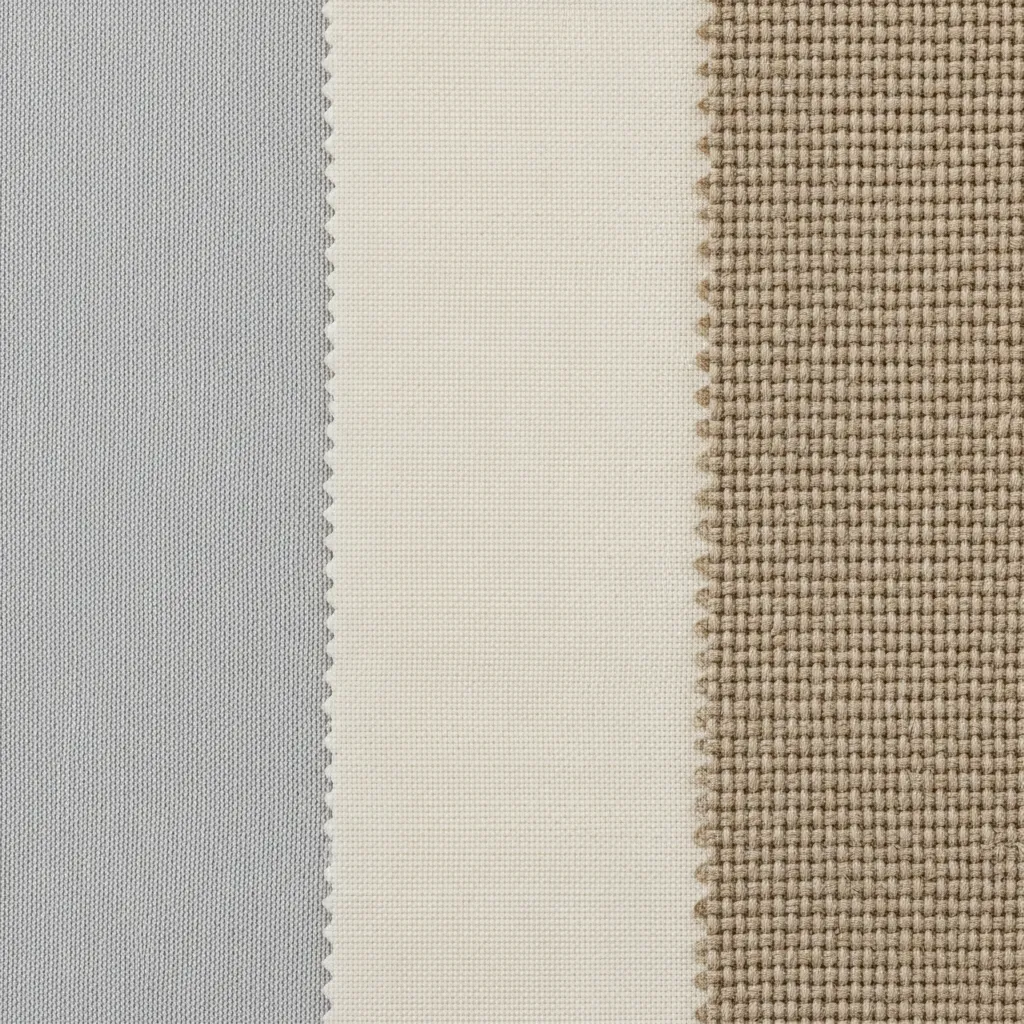
Cotton fabric occupies an important place in digital printing processes thanks to its structure consisting of natural fibers. Cotton is suitable for many printing techniques, both with its soft texture and capacity to absorb ink. Types of cotton fabrics include options with different characteristics, such as poplin, satin and denim. Each type has different characteristics that affect the printing results, and therefore the correct selection of the fabric before the printing process is of great importance. The natural structure of cotton fabric directly affects the printing quality; therefore, cotton fabrics need to be carefully evaluated in digital printing processes.
Pre-Press Preparation Phase
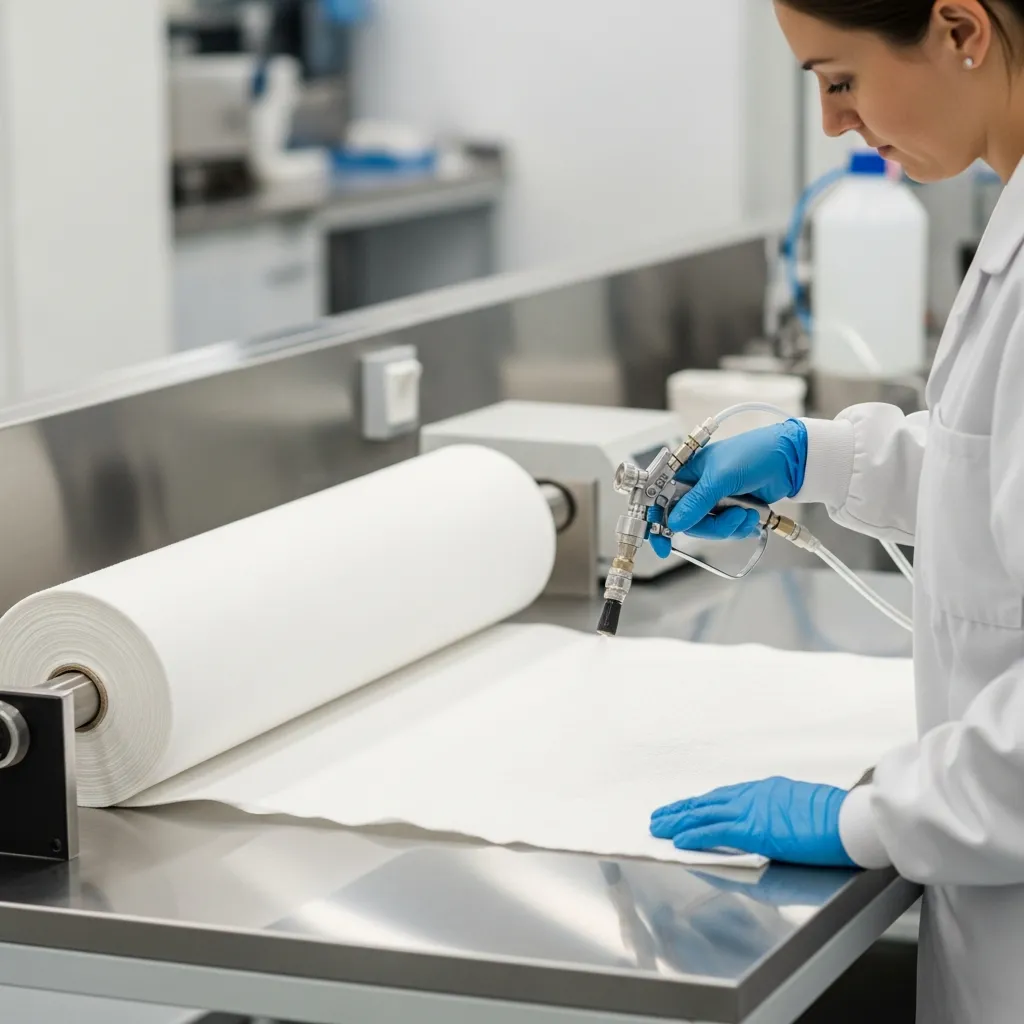
The pre-print preparation phase is a critical step for a successful digital printing process. In addition to the choice of fabric, pre-treatment requirements should also be considered. In order for cotton fabric to become suitable for printing, it often needs to be pre-treated, which improves ink retention by smoothing the surface of the fabric. Besides this, the calibration of the printing machine is extremely important. Correct machine settings improve print quality and color accuracy. In addition, the type of ink to be used must also be carefully selected; water-based or solvent-based inks can give different results and should be optimized according to the type of fabric.
What to Consider in the Printing Process
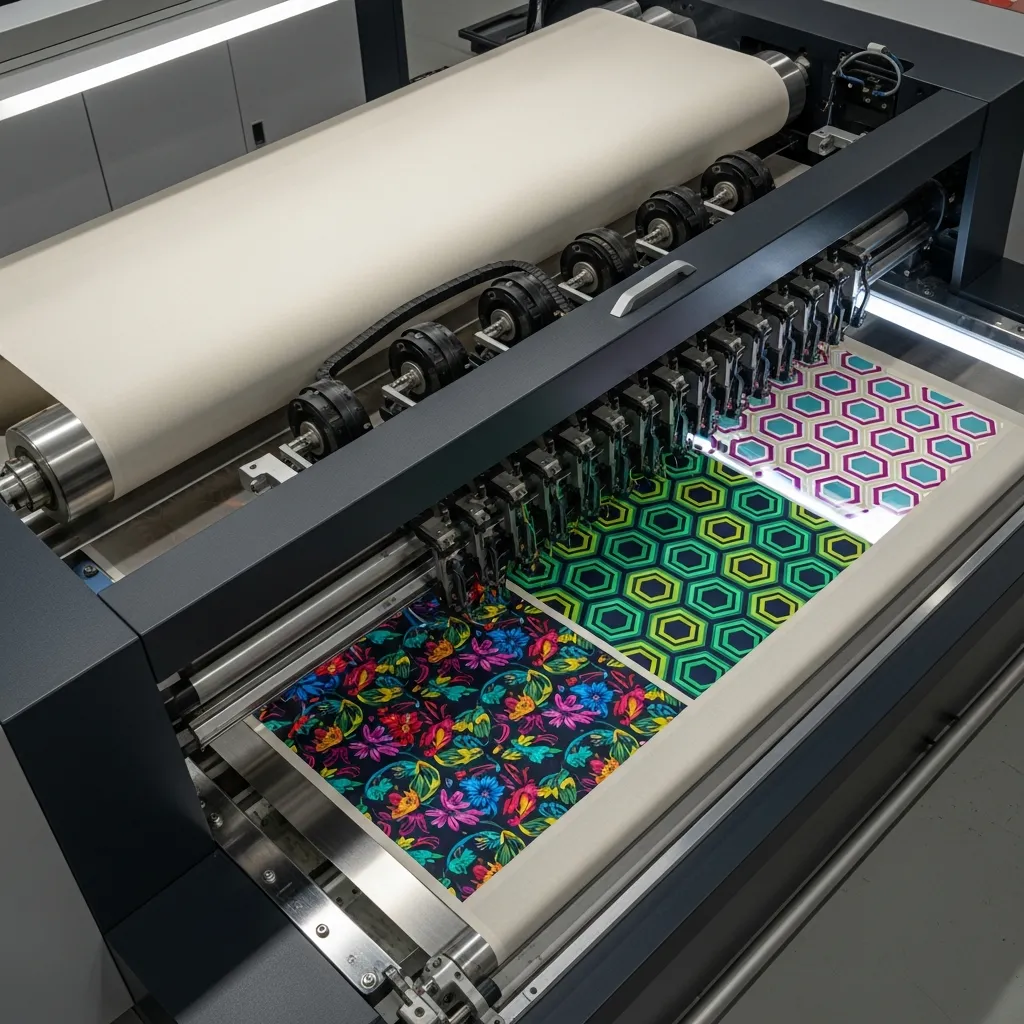
The printing process is a stage that requires attention and care. Resolution settings in digital printing directly affect the quality of the print. The high resolution offers the possibility of capturing details clearly, but can extend the printing time. Color profile management, on the other hand, is necessary for accurate transfer of colors during printing. Each type of fabric may require different color profiles and therefore correct adjustments must be made. In addition, optimization of heat and printing speed is also important. High heat can cause damage to some fabrics, while low heat can lead to the ink not adhering to the fabric sufficiently. Therefore, in the process of printing, each factor must be carefully considered.
Post-Printing Processes
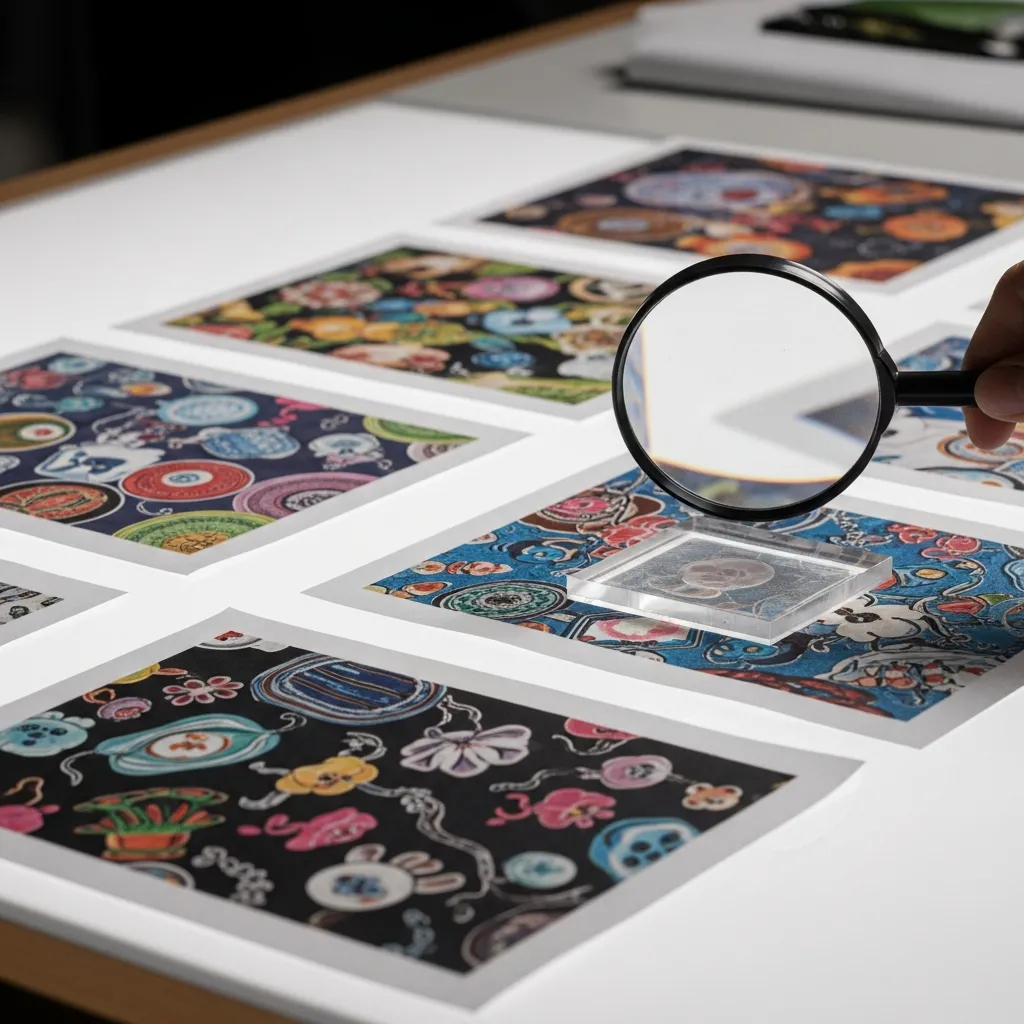
Post-printing processes are critical to improving print quality and extending product life. The fixing process is necessary so that the ink becomes permanent on the fabric. This process ensures that the ink is fixed to the fabric fibers and prevents colors from flowing during washing. Washing and drying after printing should be carried out carefully to preserve the structure of the fabric. In addition, ironing and care recommendations should be taken into account; low heat should be used during ironing and should not be applied directly on the ink. Ultimately, quality control processes are essential to ensure print quality. It must be checked whether the print complies with the desired quality standards and the necessary corrections must be made.
-
 İlgili Kelimeler:
- cotton fabric digital printing
- digital printing tips
- cotton fabric printing
- textile digital printing
- cotton fabric printing techniques
- digital printing machine settings
- cotton fabric pretreatment
- textile printing guide
- fabric printing tricks
- improving the quality of digital printing